Wholesale Liquidation Pallets: Cost-Effective Stock for Resellers and Retailers
Access Cost Reductions With Wholesale Liquidation Pallets: Benefits and Information on Typical Pallet Purchases
Liquidation pallets offer an effective opportunity for those searching for discounted merchandise. These pallets typically include a diverse range of goods, including electronics and household items. Understanding the complexities of this market can substantially affect profitability. However, navigating the complexities of quality evaluation and supplier trustworthiness is essential. As the market develops, so do the potential advantages. Exploring these elements could reveal considerable opportunities for those willing to invest effort and time.
Understanding Liquidation Pallets
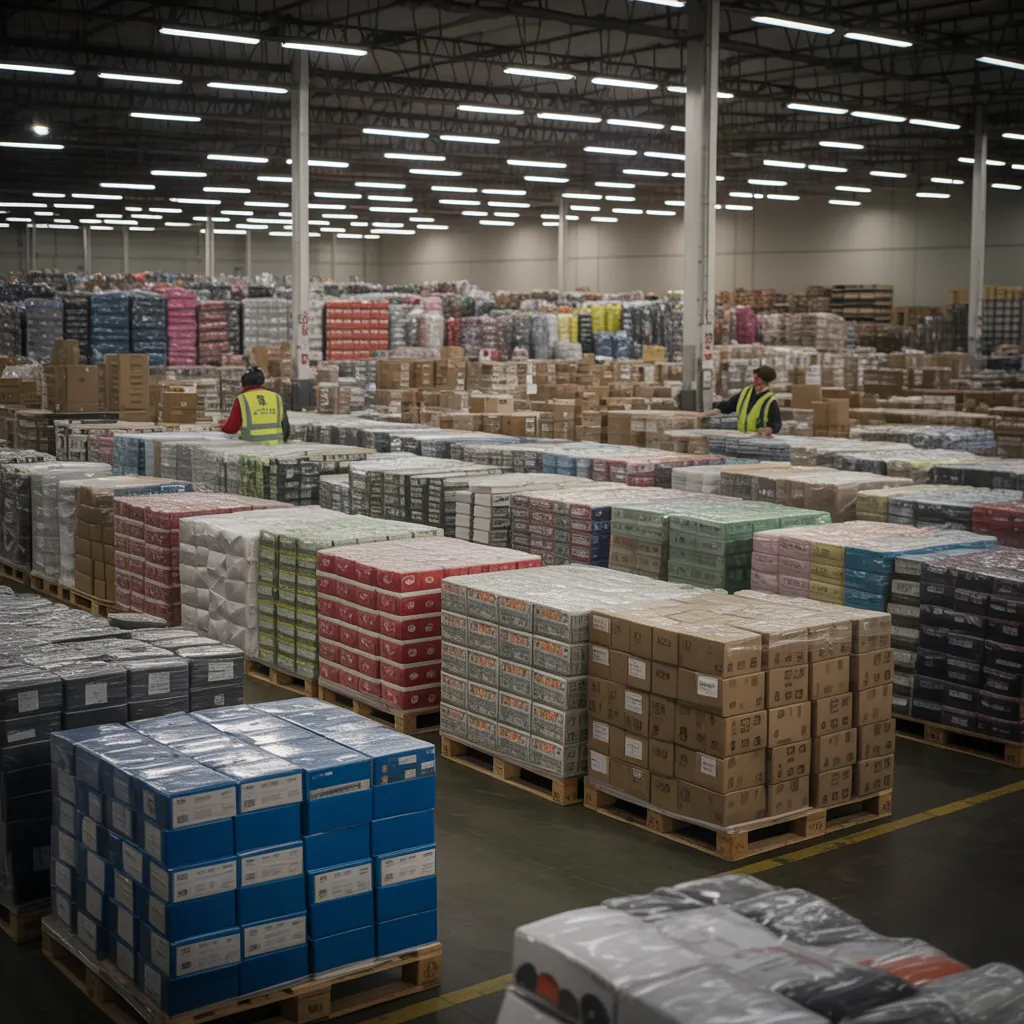
Comprehending liquidation pallets is essential for those interested in the wholesale liquidation sector, as these pallets act as a gateway to securing a wide range of products at substantially reduced prices. Liquidation pallets are made up of unsold merchandise, customer returns, or overstock items that retailers have to offload. Buyers typically purchase these pallets in bulk, often at a fraction of the retail value. This practice not only benefits retailers by freeing up space but also permits buyers to resell the items for profit or use them for personal needs. The contents of these pallets can vary widely, covering various categories, from electronics to home goods. However, potential buyers should be mindful of the risks involved, such as incomplete or damaged items. Assessing the reputation of the liquidation source is critical to ensure a worthwhile investment. Overall, comprehending liquidation pallets can result in significant savings and entrepreneurial opportunities.
Varieties of Products in Liquidation Pallets
Liquidation pallets provide a broad range of merchandise, drawing in various buyers seeking bargains. These pallets typically contain excess inventory, customer returns, or seasonal products from retailers. Frequent categories include electronics, such as televisions and smartphones, which attract tech enthusiasts looking for discounted deals. Home goods, including kitchenware and furniture, are also widespread, catering to those looking to furnish their spaces economically. Additionally, apparel and footwear pallets provide fashion-conscious shoppers with opportunities to obtain fashionable clothing at lower prices.
Furthermore, beauty items, toys, and sporting goods are frequently found, serving diverse consumer interests. Many businesses also buy liquidation pallets for resale, taking advantage of the potential for profit. With such a wide range of items, liquidation pallets can address the needs of cost-conscious shoppers and entrepreneurs alike, making them a popular choice in the wholesale market.
Perks of Acquiring Liquidation Pallets
Buying liquidation pallets provides significant cost-effective reselling possibilities for businesses seeking to maximize profit margins. The wide-ranging selection of products available permits resellers to cater to diverse market demands, enhancing their inventory without a significant investment. This approach not only reduces financial risk but also fosters a dynamic retail experience for customers.
Cost-Efficient Resale Opportunities
Though countless entrepreneurs search for novel approaches to increase profitability, investigating wholesale liquidation pallets offers a unique opportunity for cost-effective reselling. These pallets often contain excess or returned merchandise, enabling resellers to purchase products at a fraction of their retail value. By buying liquidation pallets, entrepreneurs can leverage considerable savings, helping them to price higher items for resale while keeping competitive pricing. This approach minimizes upfront investment risks, as each pallet usually includes a variety of goods, boosting the chances of profitable sales. In addition, the ability to sell products one by one or in collections adds flexibility in pricing strategies. All in all, wholesale liquidation pallets offer a practical avenue for entrepreneurs to increase their profit margins in the resale market.
Diverse Product Collection
When resellers examine wholesale liquidation pallets, they frequently find a strikingly broad selection of products that can cater to various consumer needs. These pallets generally feature an array of items, including electronics, home goods, clothing, and seasonal products. This variety empowers resellers to reach different market segments and consumer preferences strategically. By purchasing liquidation pallets, resellers can build their inventory with distinctive items that may not be found through traditional retail channels. Plus, the unpredictability of what each pallet contains can spark excitement and appeal to customers seeking novelty. This diverse product selection ultimately increases the reseller's ability to align with changing trends and consumer demands, enhancing profit potential and fostering customer loyalty.
Ways to Find Trustworthy Liquidation Vendors
Finding reputable liquidation suppliers is essential for individuals looking to join the wholesale liquidation market, as the quality and authenticity of the products can significantly impact business success. One proven strategy is to conduct thorough online research, leveraging platforms like Google, forums, and social media to find reputable suppliers. Sector-focused websites and directories often provide validated listings and reviews, supporting in the selection process.
Establishing relationships with other wholesale dealers and going to liquidation trade shows can likewise generate important connections and information. In addition, it is essential for buyers to confirm the supplier's credentials, like business licenses and customer testimonials, to ensure reliability. Creating a clear line of communication with potential suppliers can help gauge their responsiveness and willingness to provide necessary information. In the end, thorough research is essential in selecting a supplier that aligns with business goals and standards, creating a solid foundation for future transactions.
Tips for Evaluating Pallet Quality
An in-depth analysis of pallet quality is crucial for anyone purchasing liquidation pallets, as it directly determines profitability and customer satisfaction. Initially, buyers should evaluate the condition of the pallets, looking for any visible damage, such as broken or warped items. Evaluating the packaging of the products is equally important; intact packaging typically indicates better quality items.
Next, reviewing the manifest, if available, delivers insights into the types and conditions of the products included. It's suggested to check the total retail value against the purchase price to establish a worthwhile investment.
In addition, purchasers ought to evaluate the standing of the provider, as well-established suppliers often provide superior pallets. Finally, asking for customer testimonials or testimonials can provide valuable insight on the standard of the pallets being offered. By implementing these recommendations, buyers can make educated decisions that favorably impact their procurement experience.
Trading Liquidation Pallets for Profit
Trading liquidation pallets for profit can be a lucrative venture for savvy entrepreneurs. These individuals often source pallets filled with excess inventory, returns, or damaged goods at markedly reduced prices. By meticulously selecting quality pallets, they can maximize their profit margins. Successful resellers commonly identify popular items within the pallets, such as electronics, home goods, or seasonal products, which tend to sell fast.
To flourish in this market, resellers should establish an effective sales approach, commonly employing online platforms such as eBay, Amazon, or local sites. Building a brand around their resale business can also boost customer credibility and loyalty. Networking with other resellers and becoming part of liquidation communities can supply valuable insights and advice on acquiring and selling. Ultimately, with the right method, reselling liquidation pallets can not only yield significant financial gains but also offer a flexible business model for those committed to invest time and effort.
Typical Errors to Steer Clear Of When Acquiring Pallets
What traps should customers steer clear of when obtaining liquidation pallets? A common oversight is failing to comprehensively examine the supplier. Buyers should verify the vendor has a solid reputation and reliable reviews. Another misstep is not inspecting the pallet contents beforehand, leading to unexpected losses from damaged or unsellable items. Moreover, overlooking potential delivery costs can cause overspending, eroding profit margins.
Buyers regularly neglect the significance of understanding the specific market demand for goods within the pallets. This oversight can bring about acquiring items that may not sell well. It's also essential to avoid hasty purchases; taking time to examine multiple options can produce better deals. Ultimately, buyers should be careful with unrealistic expectations related to profit margins, as not every pallet will generate noteworthy returns. By being conscious of these common mistakes, buyers can elevate their liquidation pallet buying experience.
Questions & Answers
What Does a Liquidation Pallet Cost on Average?
Liquidation pallets typically cost from $200 to $1,000, based on factors in-depth article such as the type of merchandise, merchandise quality, and seller pricing strategy, influencing total value and profitability potential.
How Do Transportation Costs Influence Pallet Purchases?
Delivery charges considerably affect pallet purchases, as they can introduce significant costs to the overall price. Buyers ought to examine these costs when examining potential savings, as elevated shipping fees can nullify the benefits of discounted pallets.
Can I Return Unsold Liquidation Items?
As a rule, return policies for unsold liquidation items differ by supplier. Most wholesalers won't accept returns, stressing the need for detailed research and meticulous purchasing to decrease losses from unsold inventory.
Do Liquidation Pallets Include Warranties?
Generally, liquidation pallets don't include warranties. Buyers usually obtain items as-is, accepting the potential issues linked to potential flaws or missing pieces. It's crucial for buyers to inspect pallets ahead of concluding their purchase.
How Frequently Are New Pallets Made Available?
New pallet inventory usually becomes accessible on a weekly basis, depending on the supplier and demand. This frequency allows buyers to obtain a varied range of products, enhancing their options for purchasing liquidation merchandise efficiently.